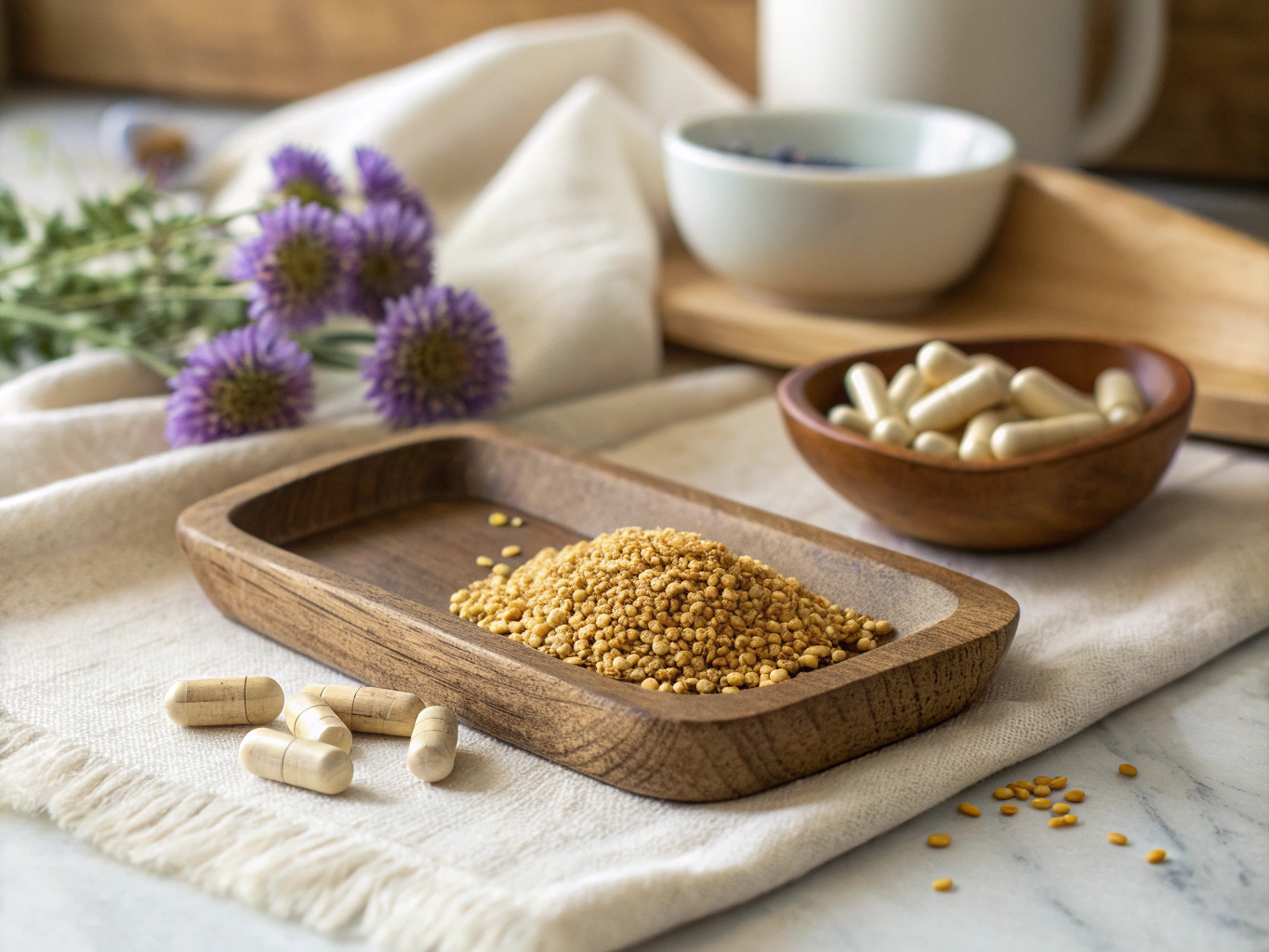
Fenugreek Capsules vs. Fenugreek Seeds: Which Is Better for Nursing Mothers?
Fenugreek has long been celebrated as a natural aid for boosting lactation in nursing mothers. Many new moms turn to this herb to support milk production and enhance their breastfeeding journey. But when it comes to fenugreek, should you opt for capsules or the raw seeds? Understanding the benefits and differences between these two forms can help you make an informed decision tailored to your needs. For more detailed insights, you can explore Mama’s Select fenugreek nursing tips to learn how to maximize its benefits safely.
Understanding Fenugreek and Its Role in Lactation
Fenugreek is a herb that contains phytoestrogens, compounds that mimic estrogen in the body, which can stimulate milk ducts and increase breast milk supply. Nursing mothers have used fenugreek for centuries as a galactagogue—a substance that promotes lactation. Whether taken as seeds or capsules, fenugreek can be an effective complement to breastfeeding when used properly.
Fenugreek Seeds: Traditional and Natural
Fenugreek seeds are the raw, natural form of the herb. Many nursing mothers prefer seeds because they come in their most unprocessed state, allowing you to control dosage more intuitively. Seeds can be soaked overnight and consumed in water or added to meals as a spice, making them a versatile option.
- Pros: Natural and less processed, often perceived as safer by those who prefer whole foods.
- Cons: The taste can be bitter and strong, which some may find unpleasant. Preparation takes more time, and inconsistent dosing can be a challenge.
Fenugreek Capsules: Convenient and Measured
Fenugreek capsules offer a convenient alternative to seeds. They provide a standardized dose of fenugreek extract, making it easier to monitor intake without worrying about taste or preparation. Capsules are portable and quick to consume, which suits busy nursing moms on the go.
- Pros: Precise dosing, no unpleasant taste, and easy to incorporate into daily routines.
- Cons: Higher cost than seeds and the potential presence of fillers or additives in some brands. It’s essential to choose high-quality supplements.
Which Should Nursing Mothers Choose?
Choosing between fenugreek capsules and seeds depends largely on personal preference, lifestyle, and how your body responds to fenugreek. If you prefer a natural, whole-food approach and don’t mind the preparation, seeds might be the better choice. On the other hand, if convenience and consistent dosing are priorities, capsules can be a more practical solution.
It’s also important to start with a low dose and observe how your body reacts since fenugreek can cause side effects like gastrointestinal discomfort or allergic reactions in some individuals. Consulting a healthcare provider before beginning fenugreek supplementation is especially crucial for nursing mothers to ensure safety for both mom and baby.
Additional Tips for Using Fenugreek Safely
- Begin with a small dose and gradually increase if needed.
- Stay well-hydrated to support milk production.
- Monitor your baby for any adverse reactions like fussiness or rash.
- Combine fenugreek with other lactation-supporting practices such as frequent breastfeeding or pumping.
Ultimately, both fenugreek capsules and seeds have their merits for nursing mothers. The best choice is one that fits your lifestyle, comfort, and health considerations. For deeper insight and practical advice, don’t hesitate to explore Mama’s Select fenugreek nursing tips and empower your breastfeeding journey with knowledge and confidence.
Leave a Reply