Seaweed Soap for Acne-Prone Skin: Does It Really Help?
Acne-prone skin can be challenging to manage, with many seeking natural remedies that offer gentle yet effective care. Among the trending solutions is Cornish Seaweed Bath seaweed soap, a product infused with the nourishing benefits of seaweed. But does seaweed soap truly help improve acne-prone skin? Let’s dive into the science and benefits of this unique skincare option.
What Is Seaweed Soap?
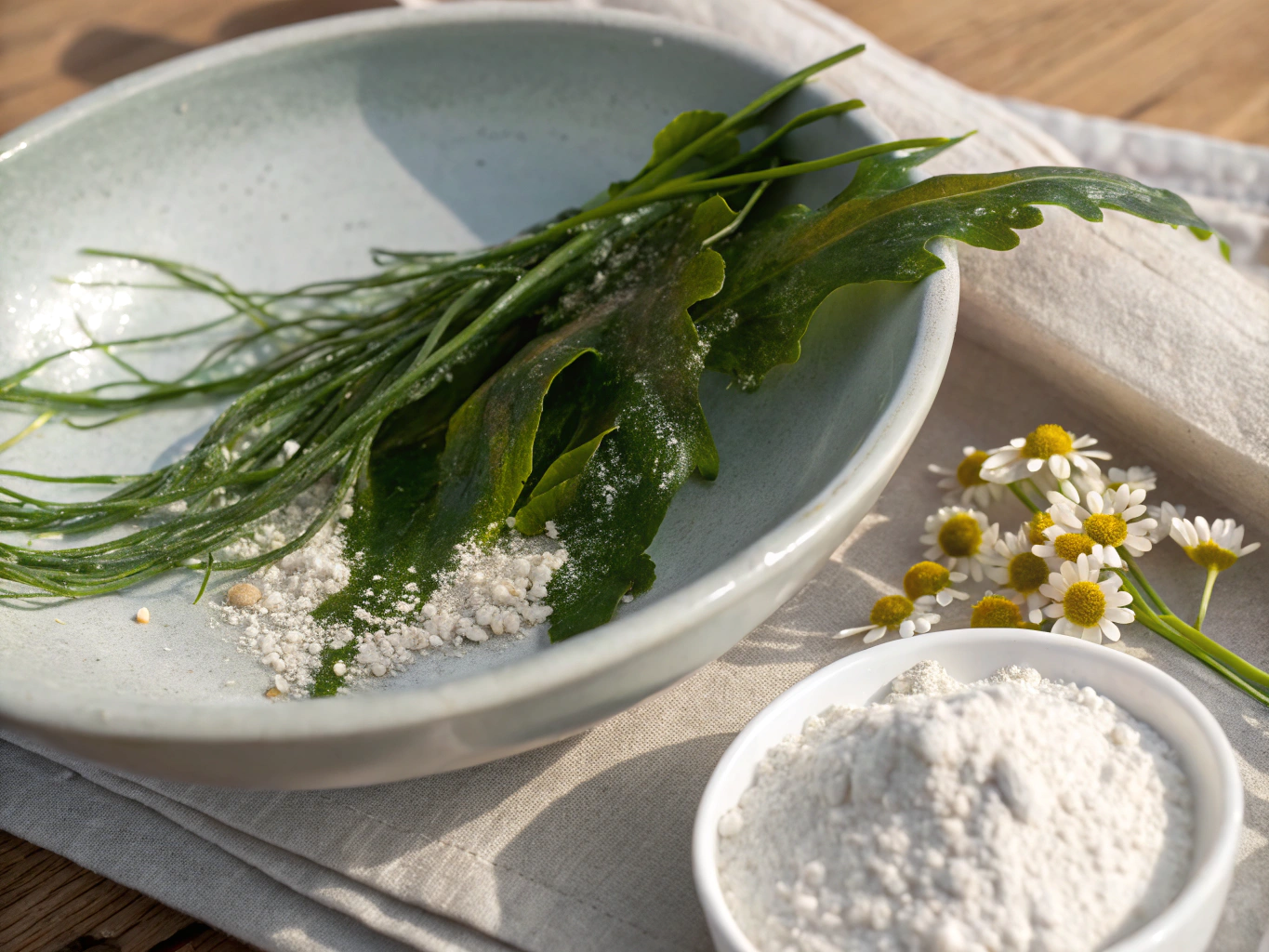
Seaweed soap is a natural cleansing bar made by incorporating seaweed extracts or powders into traditional soap bases. Seaweed, harvested from the ocean, is rich in vitamins, minerals, and antioxidants that have been used for centuries in skincare routines worldwide. It is known for its anti-inflammatory and antibacterial properties, which are key factors in managing acne.
Why Consider Seaweed Soap for Acne?
Acne is often caused by excess oil production, clogged pores, and bacterial growth. Seaweed soap targets these factors in several ways:
- Anti-inflammatory effects: Seaweed contains compounds like fucoidan and alginate that help soothe irritated skin, reducing redness and swelling associated with acne breakouts.
- Antibacterial properties: The natural antibacterial agents in seaweed can help combat acne-causing bacteria, preventing new pimples from forming.
- Rich in antioxidants: Vitamins A, C, and E found in seaweed protect skin cells from oxidative stress, promoting healthier skin overall.
- Hydration and balance: Unlike harsh soaps that strip moisture, seaweed soap helps maintain skin hydration, balancing oil production without clogging pores.
Scientific Insights on Seaweed and Acne
Research on seaweed’s impact on skin health supports its potential benefits for acne sufferers. Studies have demonstrated that seaweed extracts can inhibit the growth of Propionibacterium acnes, the bacteria responsible for acne inflammation. Additionally, its anti-inflammatory compounds may reduce the severity of acne lesions and promote faster healing.
While more clinical trials specifically on seaweed soap are needed, the existing evidence from topical seaweed treatments is promising. It is important, however, to choose high-quality products like the Cornish Seaweed Bath seaweed soap to ensure potency and skin compatibility.
How to Use Seaweed Soap for Acne-Prone Skin
To get the most out of seaweed soap, follow these tips:
- Gentle cleansing: Use the soap twice daily, morning and night, with lukewarm water to avoid drying out your skin.
- Moisturize afterward: Follow up with a non-comedogenic moisturizer to keep skin hydrated and balanced.
- Patch test first: As with any new skincare product, test a small skin area to rule out allergic reactions.
- Be patient: Natural products often take time to show results, so consistent use over several weeks is recommended.
Are There Any Drawbacks?
While seaweed soap is generally gentle, some users may find it less effective if their acne is severe or cystic. It’s also essential to avoid soaps with added fragrances or harsh chemicals, which can irritate sensitive skin. Consulting a dermatologist before switching skincare routines is always advisable, especially for persistent acne.
Conclusion
Seaweed soap offers a natural, nutrient-rich alternative for those seeking to manage acne-prone skin without harsh chemicals. Thanks to its anti-inflammatory and antibacterial properties, it can help soothe skin, reduce breakouts, and maintain moisture balance. If you’re curious about trying seaweed soap, the Cornish Seaweed Bath seaweed soap is a trusted option worth exploring. Remember, consistent care and patience are key to seeing improvements in acne-prone skin.
Leave a Reply